School Projects
The interdisciplinary school-level projects run by ESA, the ESERO network and other partners, immerse students in activities that mirror the collaborative, cross-disciplinary nature of real space missions. The projects not only deepen students’ understanding of science, technology, engineering, and mathematics (STEM) subjects, but also help them develop essential skills and competences in teamwork, problem-solving, and critical thinking.
Latest news
Moon Camp
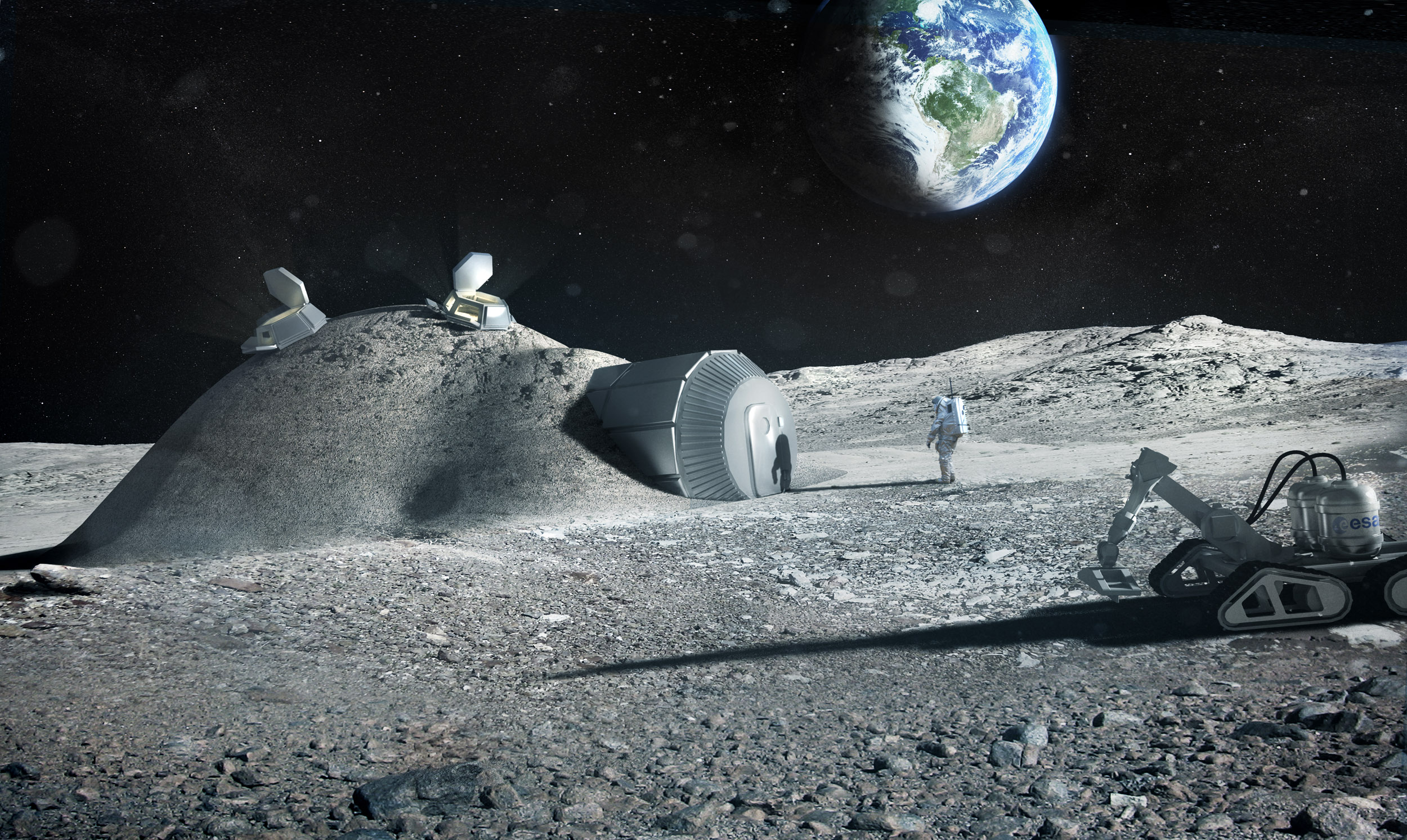
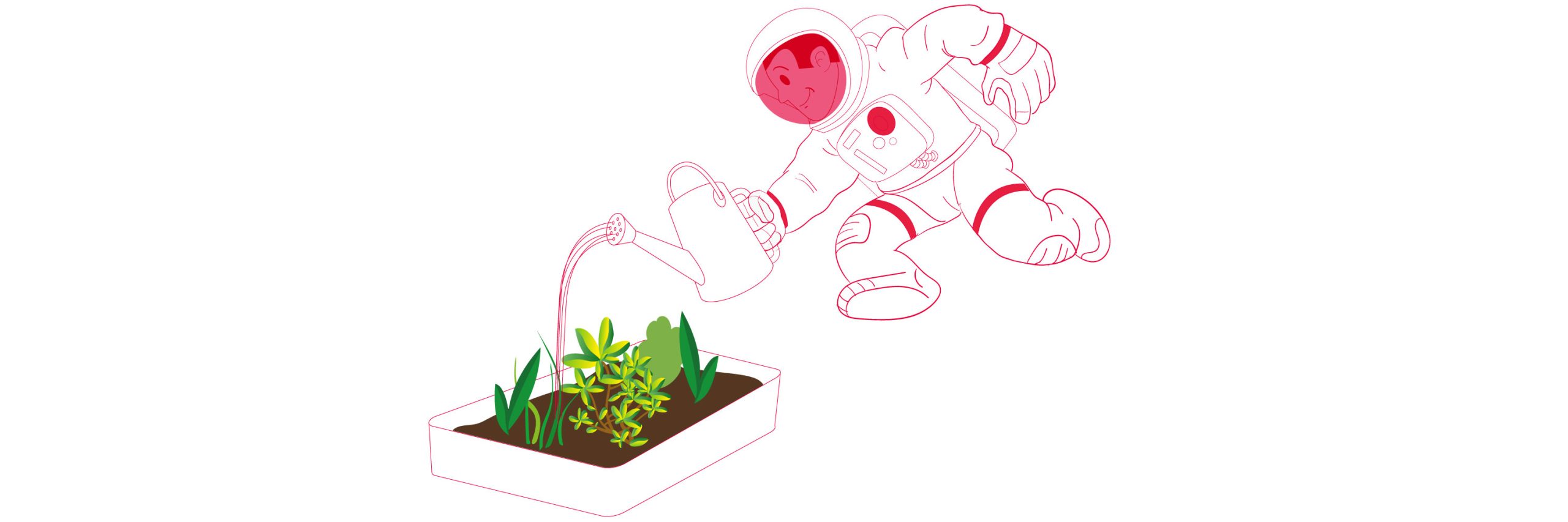
Moon Camp is a project that challenges students up to 19 years old to design space habitats using creative tools such as 3D design software or craftmanship. Participants explore the wide range of challenges of living on the Moon or other planetary bodies, such as protection from radiation and meteorites, food production and life-support challenges.
Moon Camp, is a collaboration between ESA and the Airbus Foundation, and it is run nationally by the ESEROs, or other national partners in ESA Member and Associate States.
Astro Pi
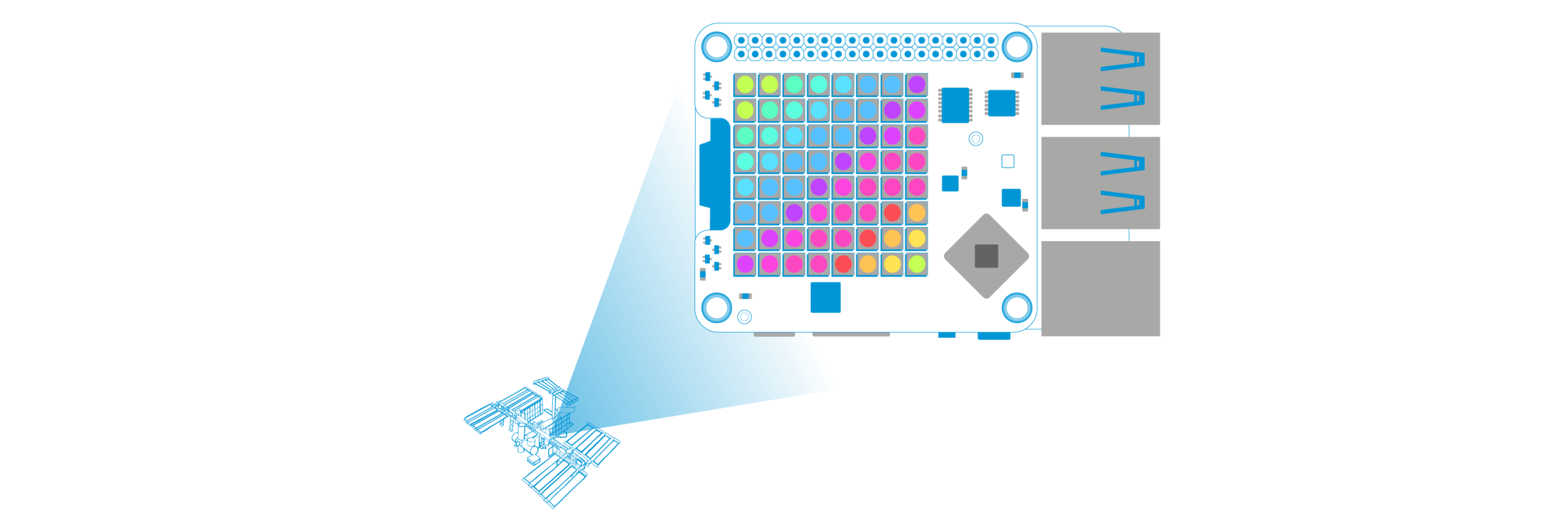
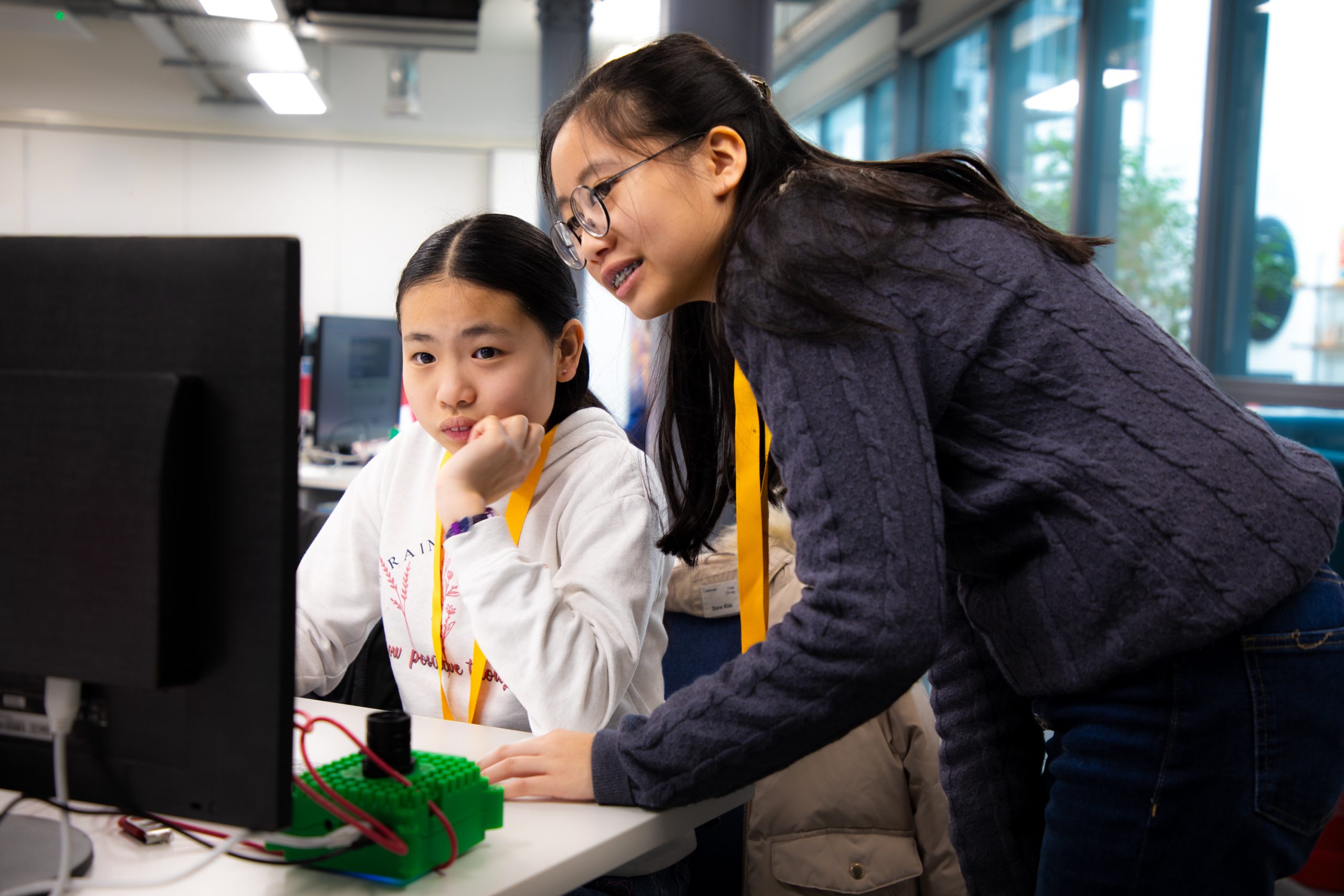
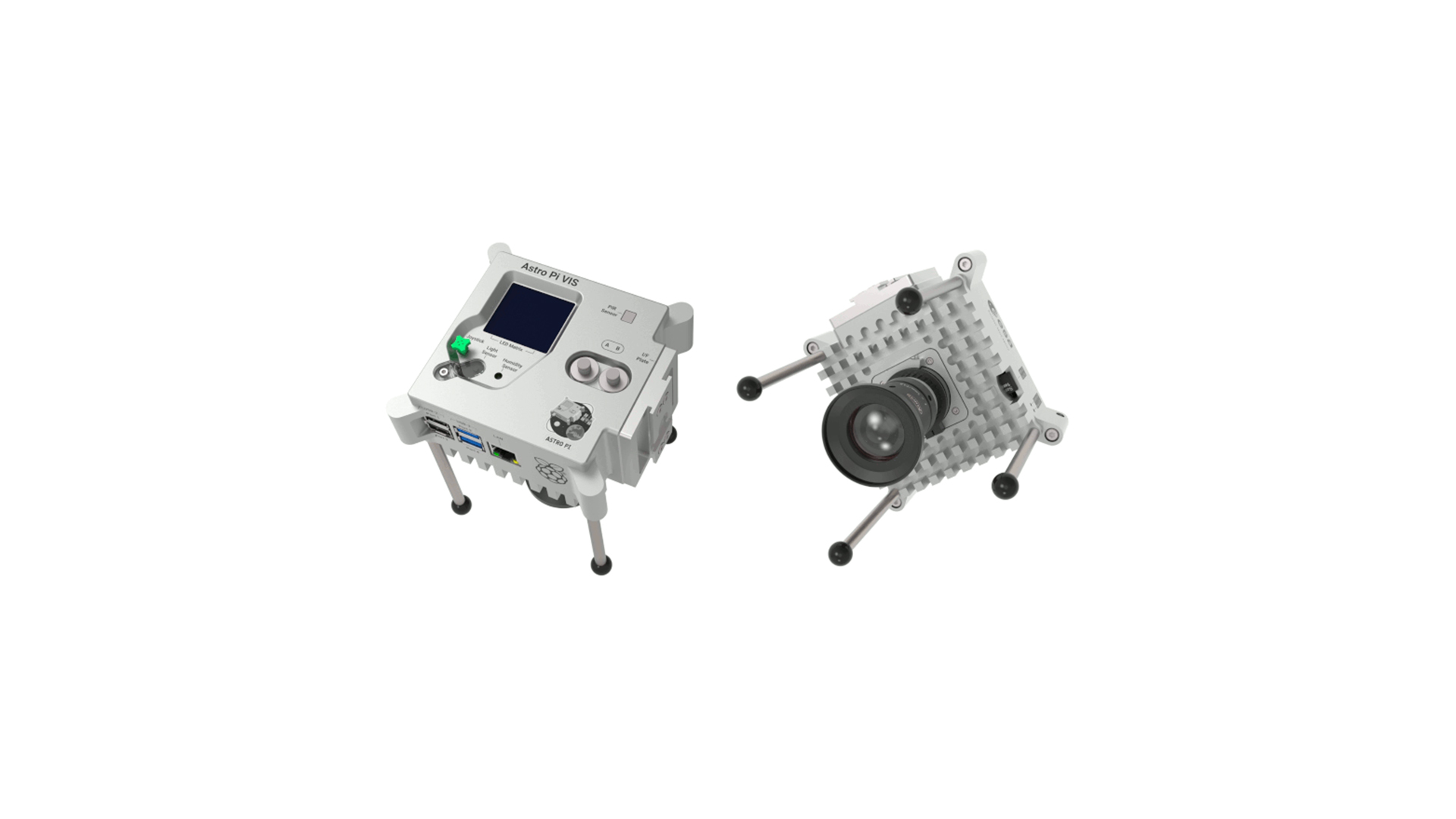
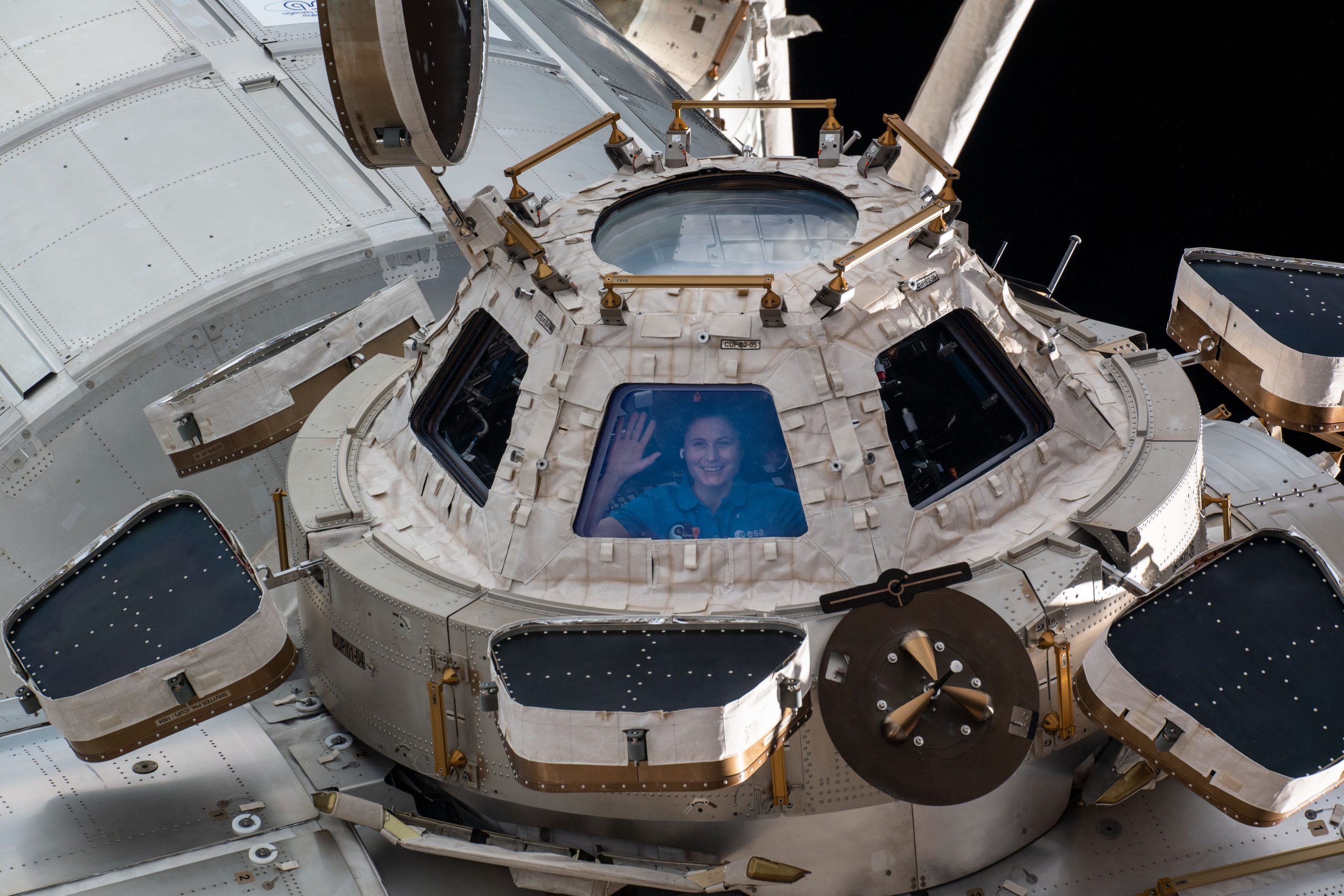
The European Astro Pi Challenge offers students the opportunity to write computer programs that run on Raspberry Pi computers, called Astro Pi, aboard the International Space Station (ISS). It consists of two different complexity levels:
Mission Zero is the entry-level category, aimed at primary and lower-secondary students. Participants write a simple Python program that displays a pixel art image on the Astro Pi computers. Participants can also use a simpler block-based coding program.
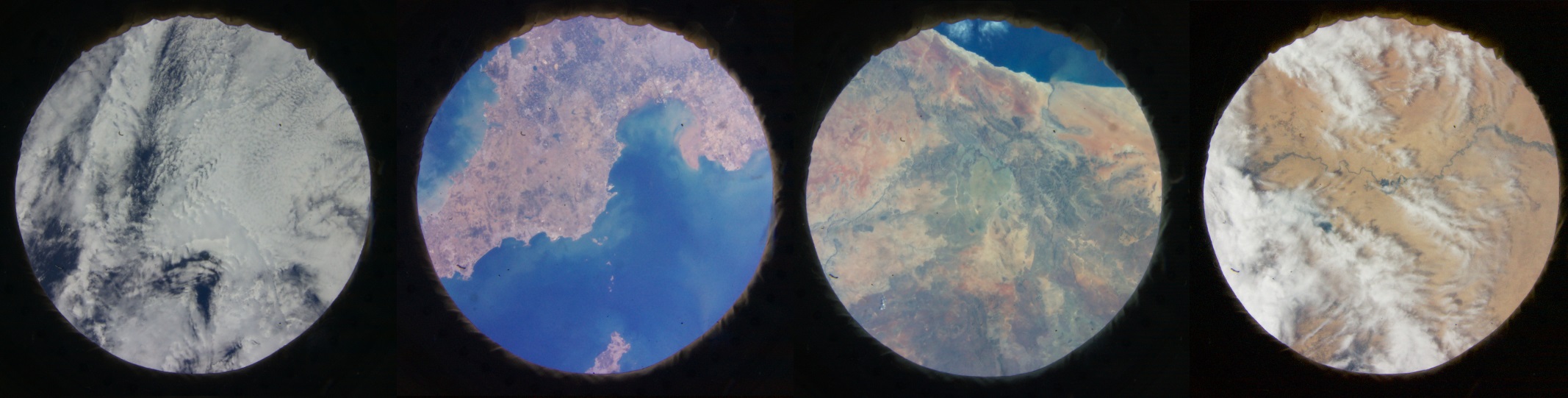
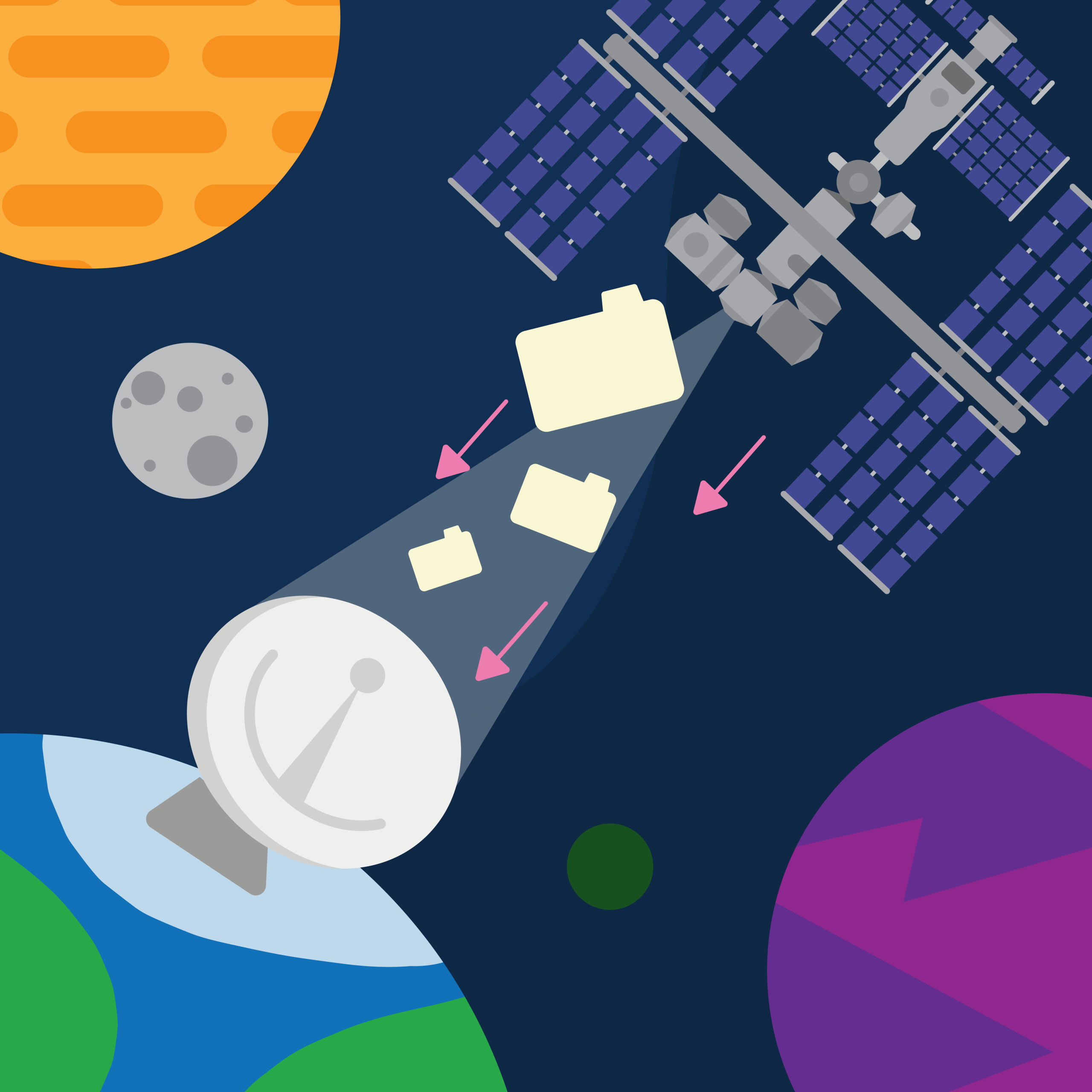
Mission Space Lab is the advanced-level category for students up to 19 years old. Participants conduct real science in space, by writing a Python program that captures sensor data from the Astro Pi computers for their very own space science projects.
Astro Pi is an ESA Education project run in collaboration with the Raspberry Pi Foundation and delivered nationally by the ESEROs, or other national partners in ESA Member and Associate States.
CanSat
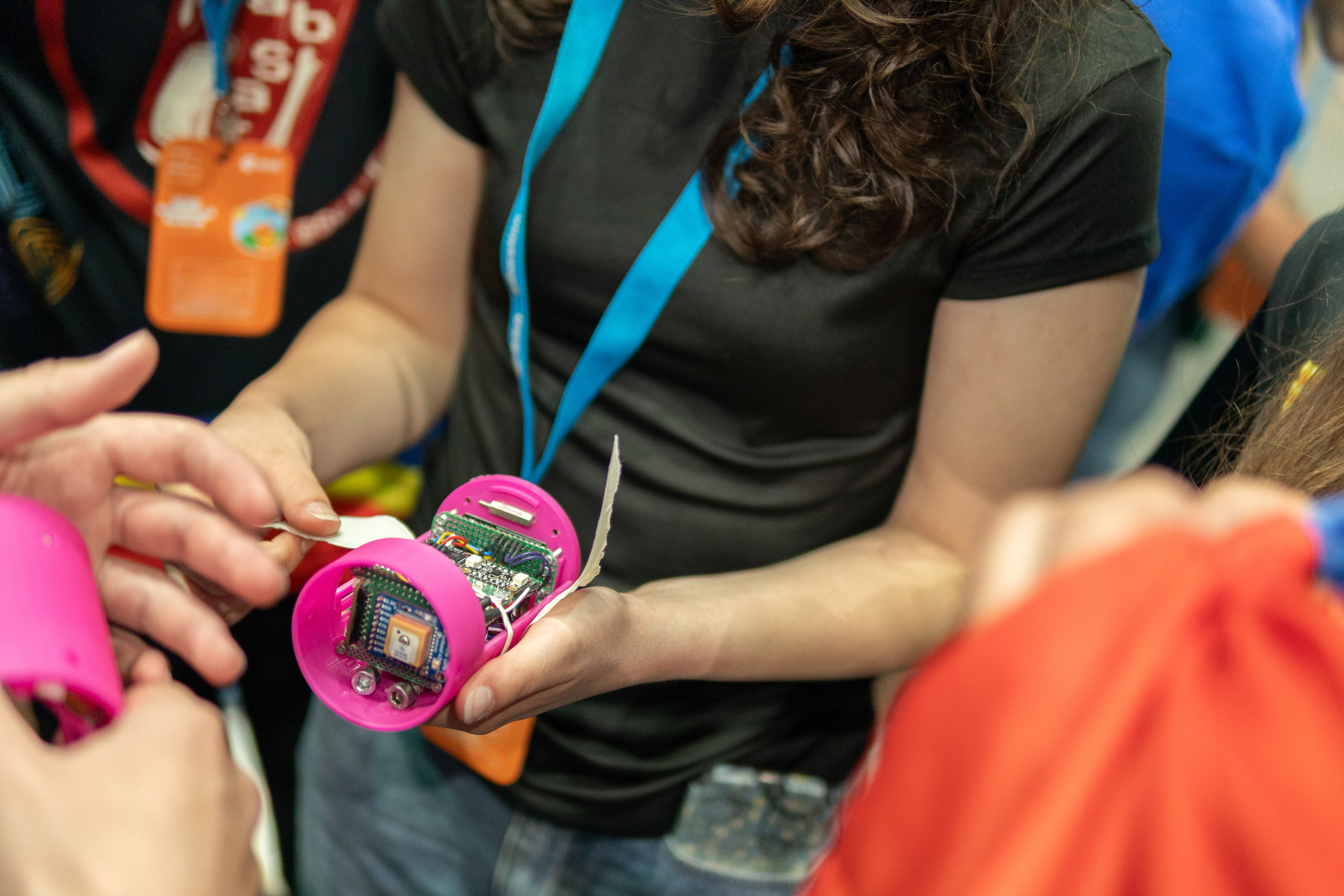
In CanSat, students aged 14-19 work in teams to build and launch a satellite the size of a soda can. Students are challenged to integrate the key satellite subsystems into this small satellite, simulating a real mission from design to launch and data collection.

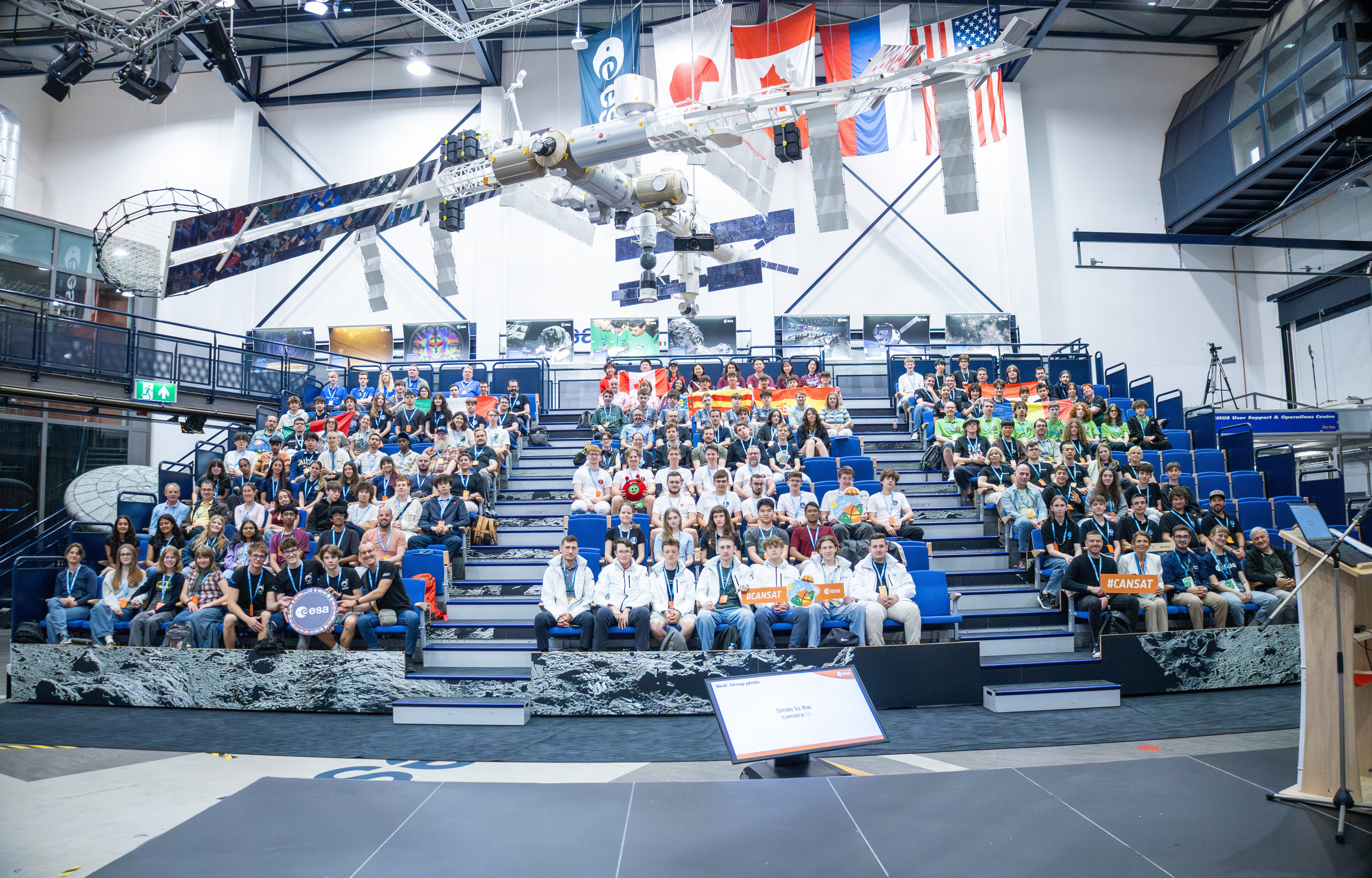
Student teams compete at national or regional CanSat competitions, organized through the ESEROs and other national organisers in most ESA Member States, Canada, Latvia, Lithuania and Slovakia. National winning teams are then invited to ESA’s “Space Engineering Summit” event at ESA ESTEC in Noordwijk, the Netherlands.
CanSat is an ESA initiative run nationally by the ESEROs, or other national partners in ESA Member, Associate or Cooperating States.
Climate Detectives
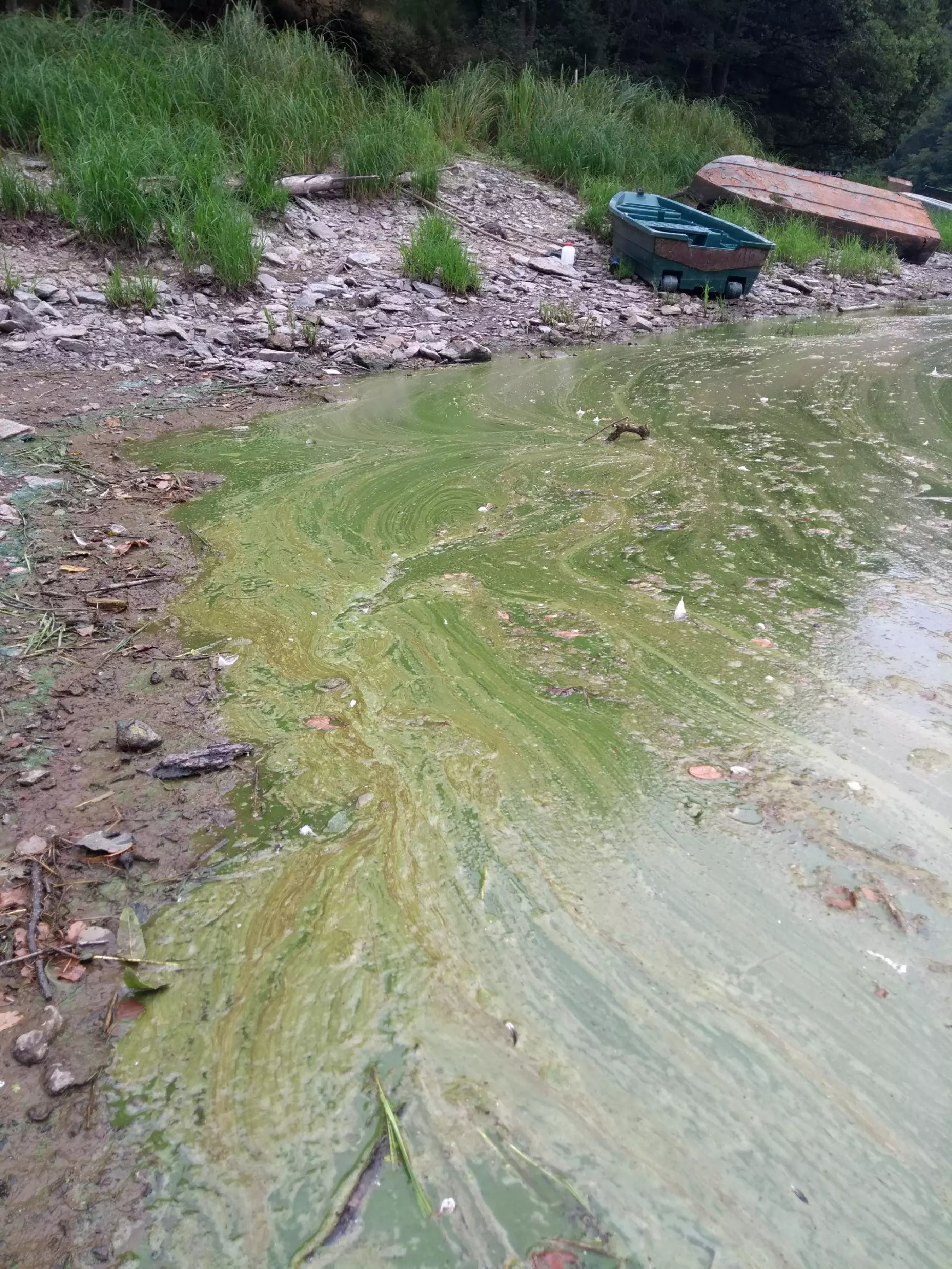
Climate Detectives empowers students to investigate local environmental and climate issues using real Earth observation data from satellites or ground-based measurements. The project features two categories:
Climate Detectives Kids is designed for students up to 12 years old and introduces them to Earth sciences through inquiry-based activities focused on the environment.
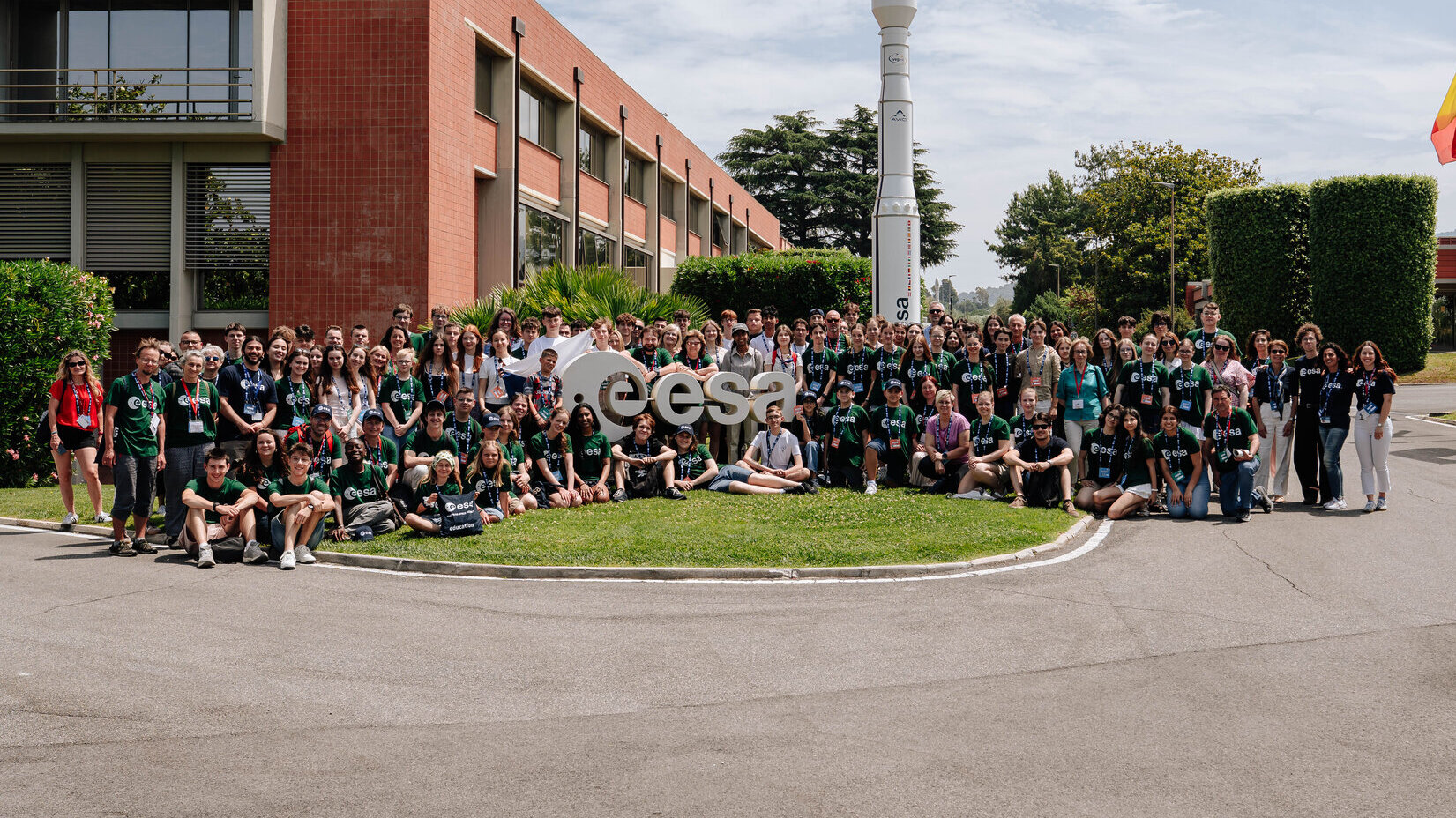
Climate Detectives Teens is the advanced track, recommended for students from 12 to 19 years old. Student teams carry out their own research by investigating a local climate problem and drawing conclusions on actions to be taken. National teams are then selected by ESEROs and invited to ESA’s “Climate Detective Summit” event at ESA ESRIN in Frascati, Italy.
Climate Detectives is an ESA initiative run nationally by the ESEROs, or other national partners in ESA Member and Associate States.
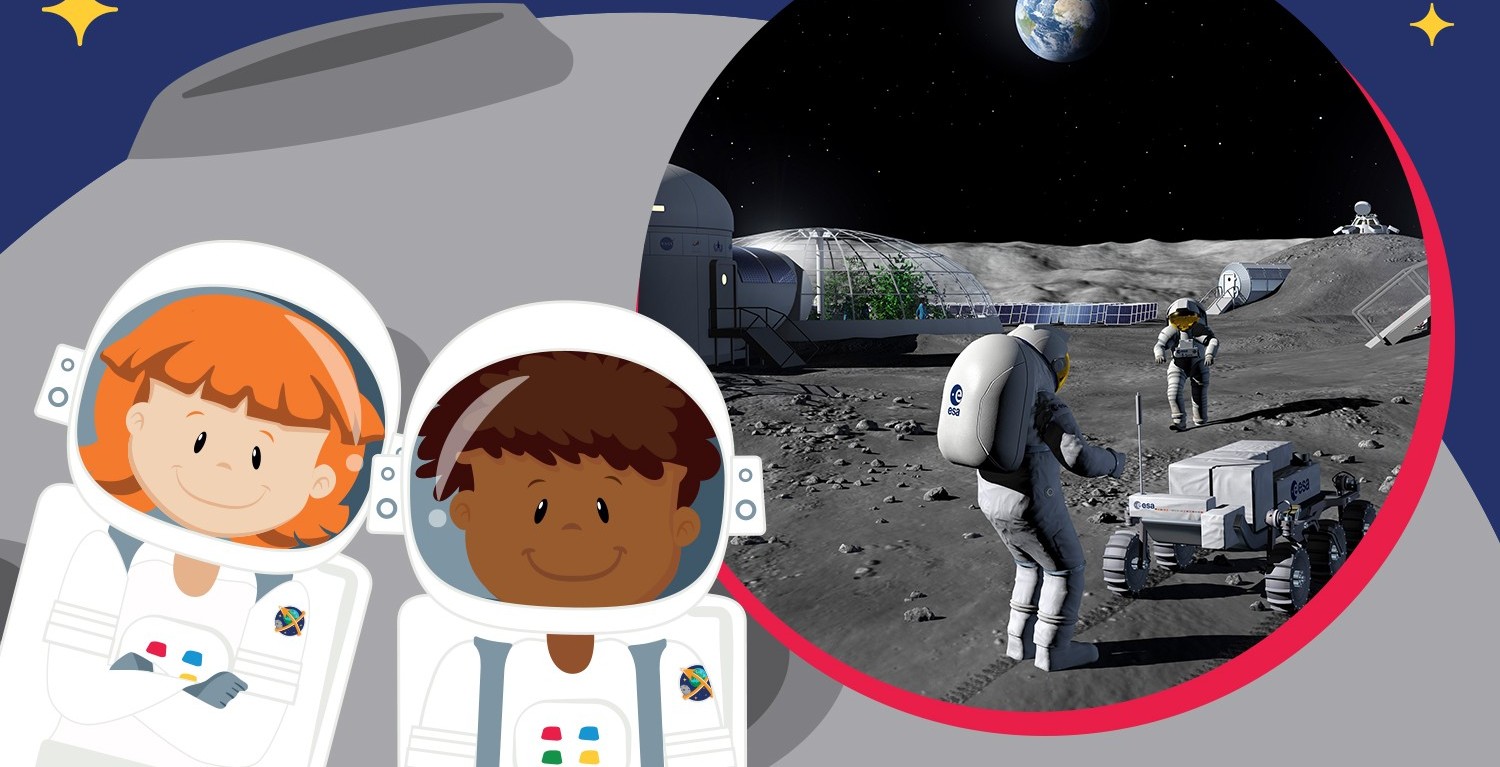
Mission X
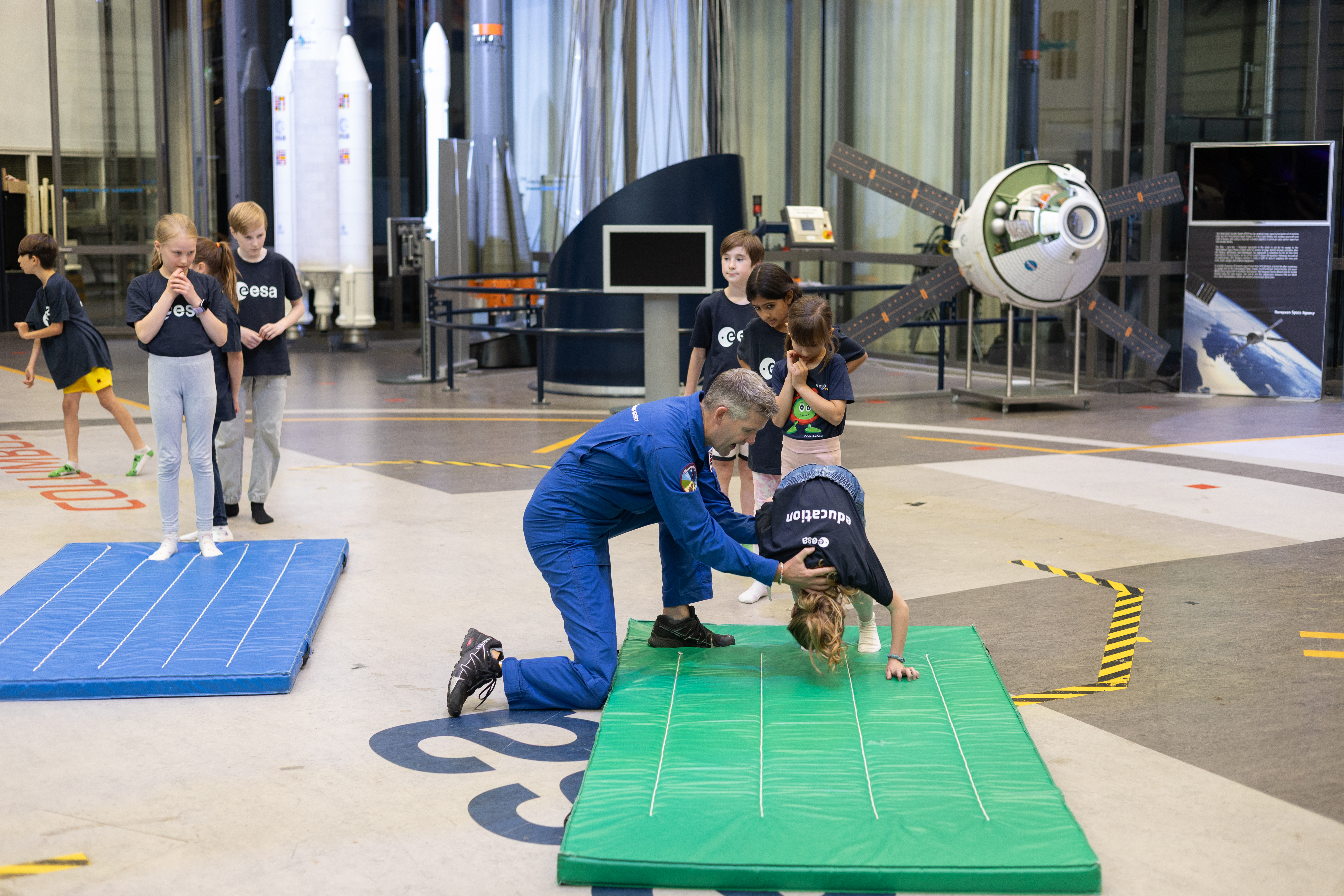
Mission X is a global project that encourages students up to 14 years old to engage in science through astronaut-style training and plenty of STEM activities.
Student teams complete training and science tasks that are converted into ‘steps’ that help mascots Luna and Leo walk to the Moon.
Mission X is an ESA initiative run nationally by the ESEROs, or other national organizers, also outside ESA Member and Associate States.