European Space Agency

With space at the forefront of education​

The ESA Education Programme uses the unique context of space to support learning, inspire curiosity and help prepare young people for their future.

Through educational resources, projects, training opportunities and hands-on experiences, ESA Education engages learners from early childhood through higher education and the first stages of their professional careers.

Education is a core activity of ESA and an important part of supporting Europe’s future in space. By helping young people develop knowledge, skills and confidence, ESA contributes to preparing future scientists, engineers, innovators and informed citizens who can contribute to society in a rapidly changing world.

Space provides a powerful environment for learning. By connecting science, technology, engineering and mathematics (STEM) to real-world applications, it helps learners explore complex challenges, develop critical skills and gain a better understanding of how space benefits life on Earth. Learning through space also encourages collaboration, creativity, problem solving and innovation, helping young people develop the so called 21st century skills and competencies that are relevant across many disciplines and professions.

 
ESA Education contributes directly to the ambitions set out in the ESA Strategy 2040, supporting the development of future talent, scientific literacy and innovation across Europe.

Space for Education 2030

In December 2022, ESA Member States approved Space for Education 2030 (S4E 2030), the long-term vision for ESA’s education activities.

Building on the experience of previous programmes, Space for Education 2030 broadens ESA’s educational offer and expands opportunities for learners, educators and future professionals. The initiative places particular emphasis on innovative approaches to learning, emerging technologies, interdisciplinary perspectives and the development of skills that will become increasingly important in a rapidly changing world.

Alongside STEM education and future skills development, the programme places greater emphasis on interdisciplinarity and on competencies increasingly valued across today’s labour market, including collaboration, problem solving, creativity and critical thinking. It also draws on the full range of space disciplines and their downstream applications to demonstrate how space can contribute to addressing societal challenges and improving everyday life on Earth.

 
Through Space for Education 2030, ESA supports wider participation in educational opportunities across Europe while continuing to use the inspirational power of space to engage and motivate the next generation.

Learning and engagement across all ages

Space for Education 2030 supports learners from early childhood through higher education and the first stages of professional development through two complementary programme pillars: the STEM Learning and Inspiration Programme for children and young people aged 3–18, and ESA Academy for students in higher education and vocational training.

STEM Learning and Inspiration Programme (ages 3–18)

The STEM Learning and Inspiration Programme supports children, young people, educators and families through educational and inspirational activities based on space.
It is organised around two complementary strands: Learn with Space and Let Space Inspire You.


Learn with Space

Learn with Space focuses on educational activities designed around clear learning objectives for both learners and educators. Through classroom resources, educator professional development, school projects, workshops, challenges and communities of practice, the programme supports STEM education in formal and non-formal learning environments and encourages inquiry-based and project-based learning.

Let Space Inspire You

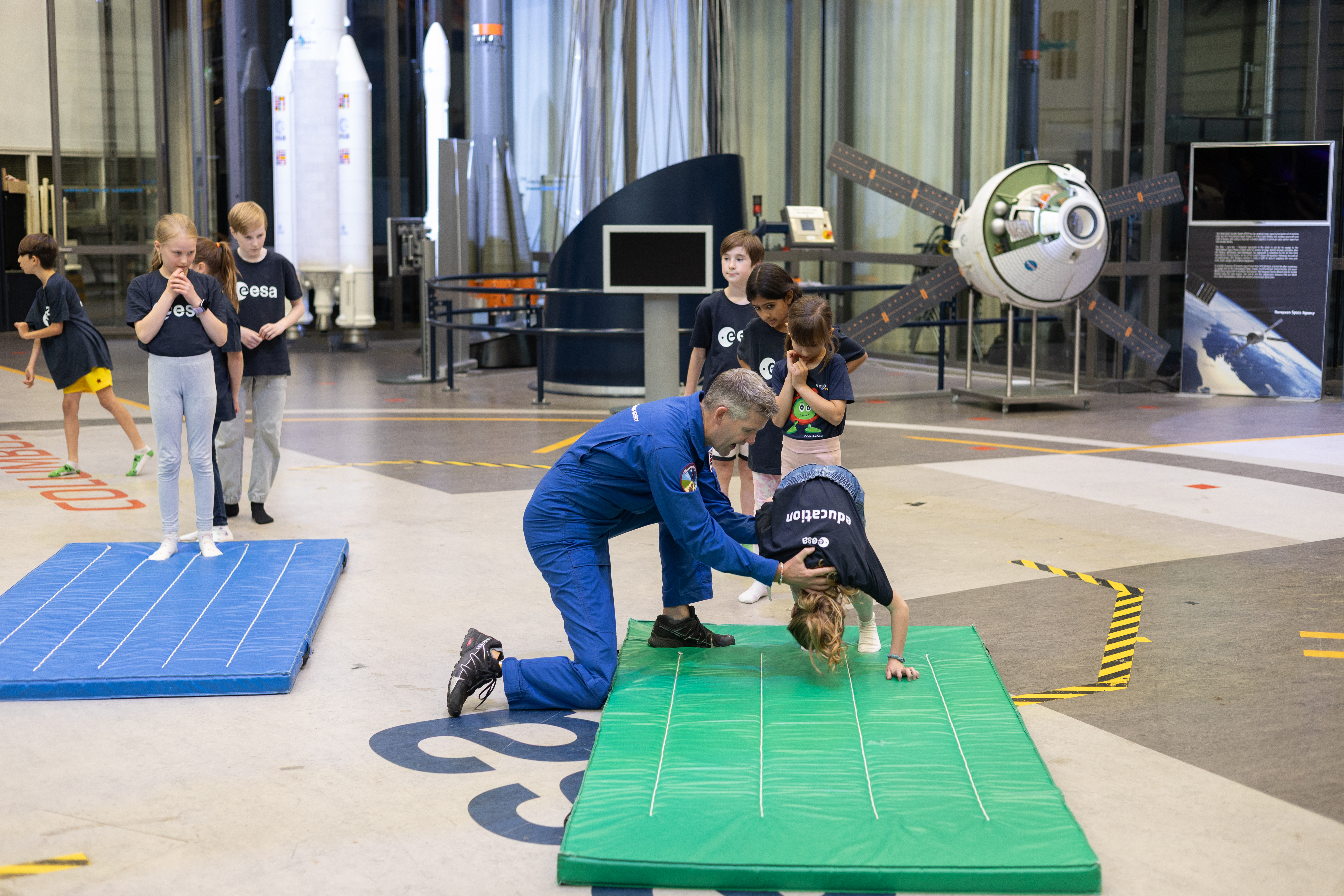
Let Space Inspire You uses the fascination of space to encourage curiosity and interest in STEM subjects and careers. Through events, career-awareness initiatives, role models and opportunities to interact with space professionals, including ESA astronauts, the programme helps young people discover the people, missions and technologies shaping Europe’s activities in space.

Delivered through ESERO

All these activities are solidly rooted and implemented at national level through the ESA ESERO (European Space Education Resource Office) network.

Working as network of dedicated national offices and consortia of partners across ESA Member and Associate States, ESERO helps bringing space, scientific expertise and unique opportunities into classrooms and learning environments throughout Europe.

ESA Academy Programme (ages 18+)

The ESA Academy programme supports university students and learners in vocational education and training through specialist learning opportunities, hands-on projects and engagement with the space sector.

Delivered in collaboration with universities, research organisations, industry and other partners, ESA Academy helps participants develop technical skills, gain practical experience and build professional networks. The programme is designed to complement formal education and prepare students for future careers within and beyond the space sector.
 

ESA Academy Training

The ESA Academy Training Programme offers online and onsite courses delivered by specialists from ESA, academia and industry. These activities complement university and vocational curricula while developing knowledge and skills relevant to space and other high-technology sectors.

ESA Academy Projects

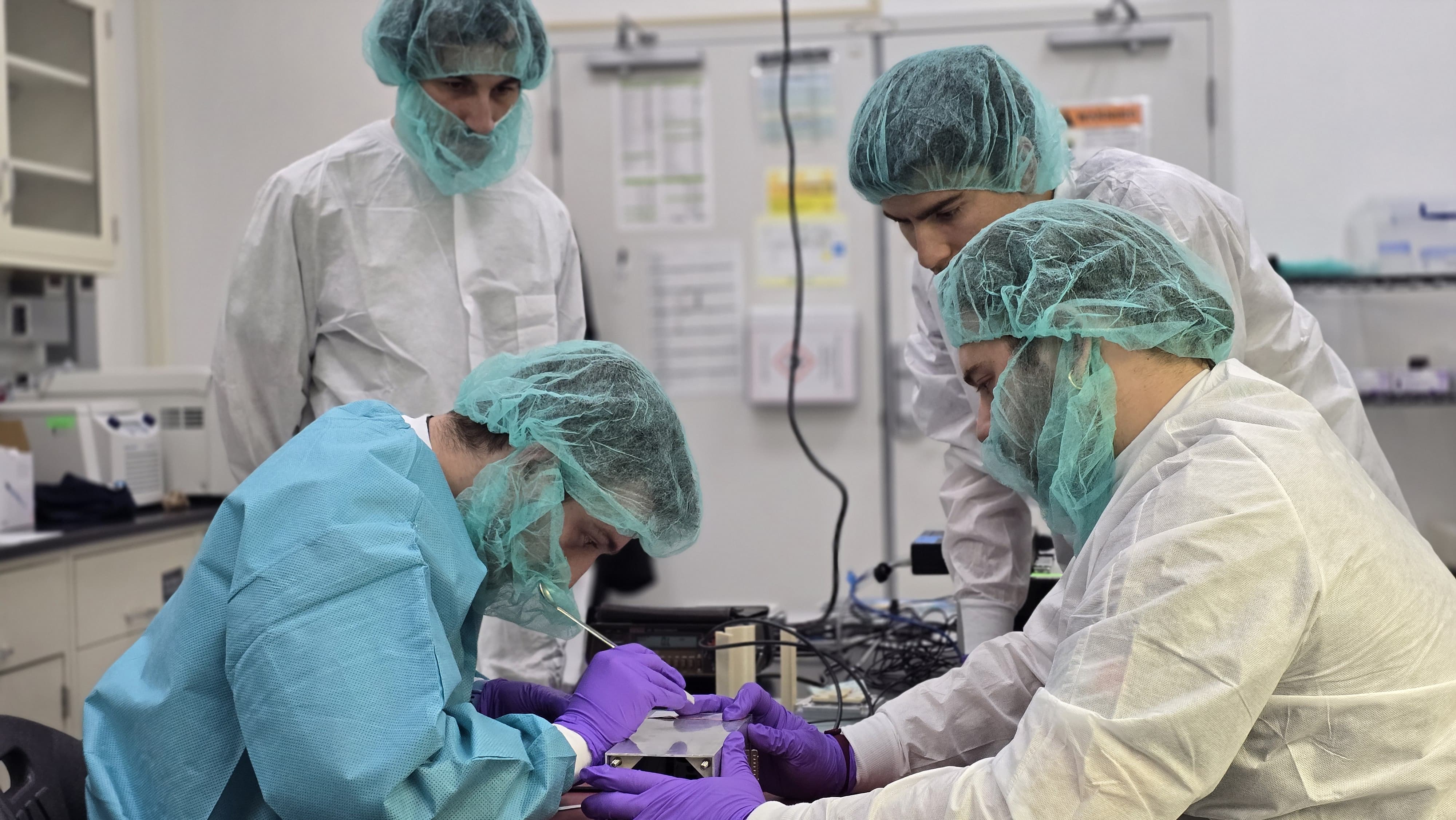
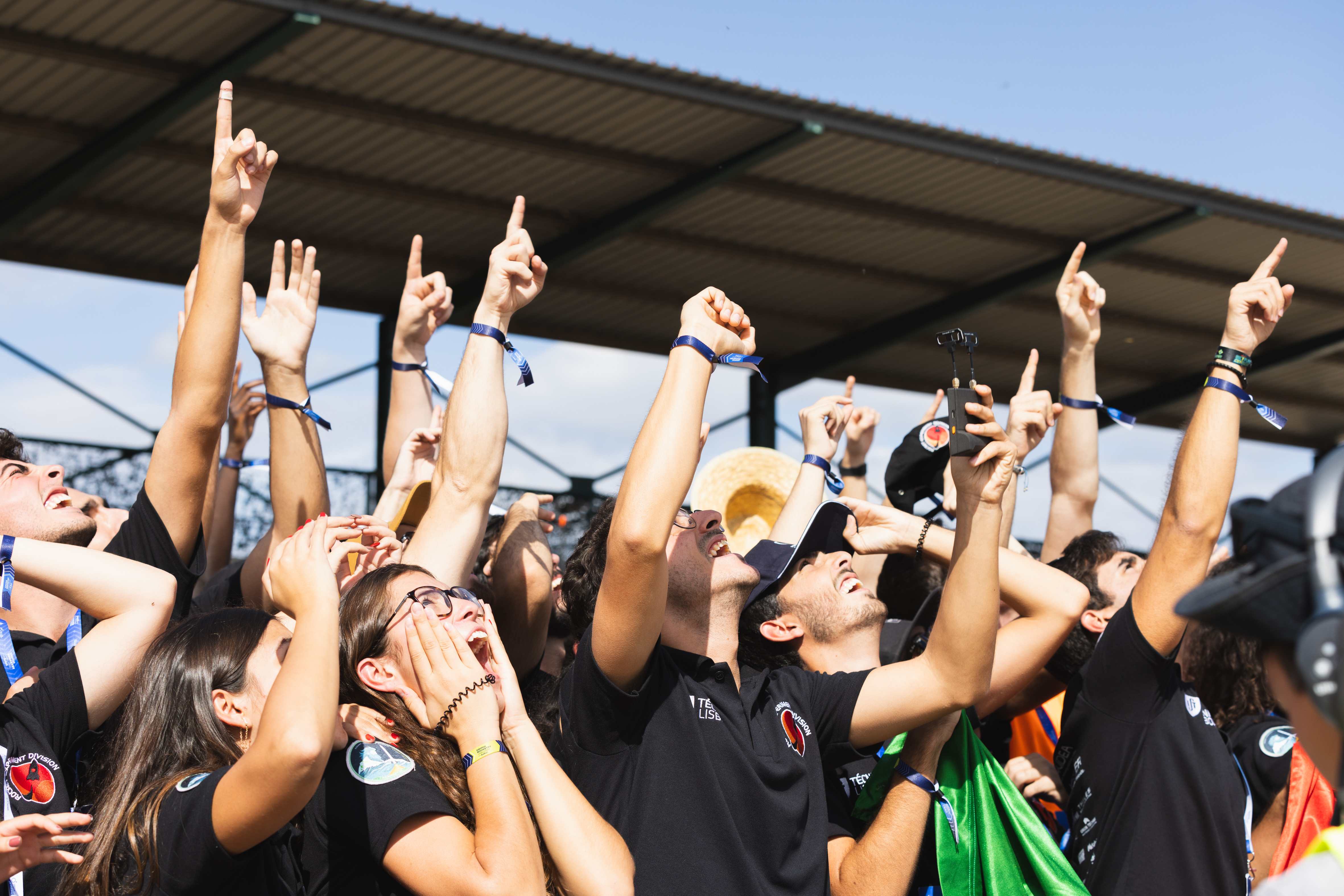
The ESA Academy Projects Programme enables students to apply their knowledge through practical projects and team-based learning experiences. Participants work on real engineering and scientific challenges, gaining experience in areas ranging from satellite development and CubeSats to innovation, entrepreneurship and downstream space applications.
 

ESA Academy Engagement

The ESA Academy Engagement Programme strengthens collaboration between ESA, academia, industry and institutional partners. Through scholarships, conferences, networking opportunities, joint educational activities and access to ESA expertise, it helps students engage with professional communities and explore future career pathways at an early stage.

Inspiring future generations

Through Space for Education 2030, ESA uses the unique context of space to support learning, skills development and inspiration across all stages of education.

By working with educators, students, institutions and partners across Europe, ESA helps prepare future generations to contribute to Europe’s activities in space and to society as a whole.